
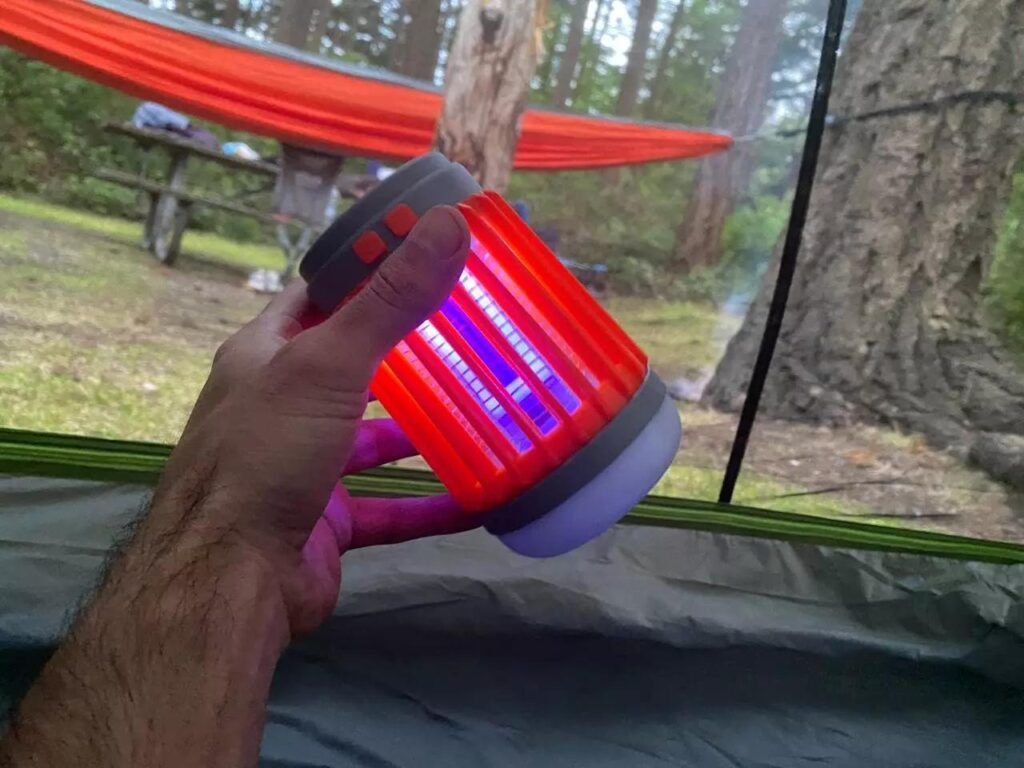
FuzeBug has quickly become a popular solution for people looking to keep their homes and outdoor spaces free from flying insects such as mosquitoes, gnats, and flies. But while many have seen it in action, one of the most common questions asked is: how does FuzeBug work? Understanding the technology behind it not only helps users get the most out of the device but also reveals why it stands out compared to other bug control methods.
This in-depth guide breaks down the science, mechanics, and benefits of FuzeBug, explains how to use it properly, and answers key questions about its performance, safety, and efficiency.
What Is FuzeBug?
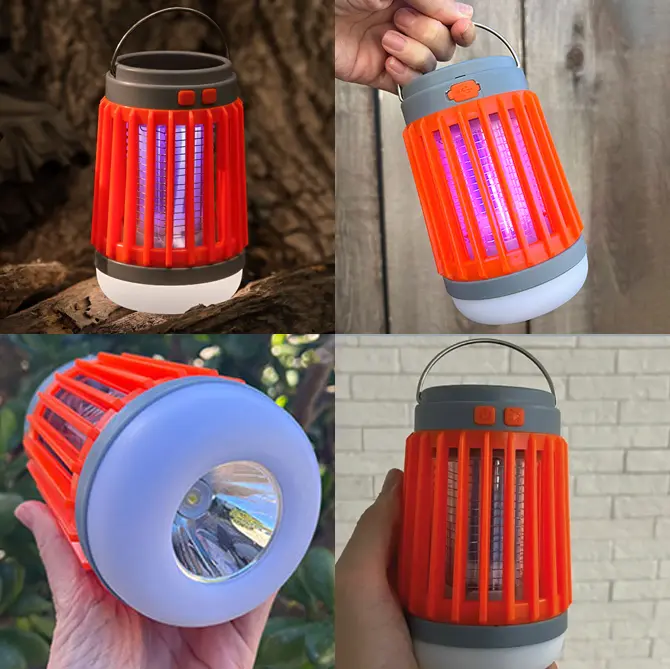
FuzeBug is a portable, rechargeable bug zapper designed to attract and eliminate flying insects without the need for chemical sprays or toxic repellents. Unlike traditional pest control products that rely on aerosols, coils, or sticky traps, FuzeBug uses light technology combined with an electric grid to effectively target insects.
It is often marketed as an eco-friendly and convenient alternative because it can be used both indoors and outdoors, requires no complex installation, and is safe for people and pets when used correctly.
The Core Technology Behind FuzeBug
To understand how FuzeBug works, it’s important to look at its two main mechanisms: attraction through ultraviolet (UV) light and elimination through an electric grid.
1. UV Light Attraction
Most flying insects, including mosquitoes, are naturally attracted to certain wavelengths of light, especially in the UV-A range (around 365–400 nm). This attraction is based on their phototaxis behavior, where insects use natural light sources such as the moon to navigate. Artificial UV light confuses them, drawing them toward the source.
FuzeBug emits a carefully calibrated UV light that is particularly effective at attracting insects. Unlike ordinary household lighting, which does not significantly affect insects, this UV spectrum is irresistible to pests.
2. Electric Grid Elimination
Once the insects fly toward the UV light, they encounter FuzeBug’s built-in electric grid. The grid carries a small electric charge, strong enough to kill insects instantly but not dangerous to humans or pets. When the insect touches the grid, it completes the circuit, resulting in immediate elimination.
This dual mechanism — attraction and elimination — makes FuzeBug a powerful yet simple tool for pest control.
Why UV Light Is Effective for Insect Control
The success of FuzeBug relies heavily on the science of UV attraction. Studies have shown that many flying insects are drawn to UV wavelengths because they mimic natural light cues used for orientation. This explains why insects often swarm around porch lights or lamps at night.
However, not all lights are equally effective. While regular LED bulbs may attract some insects, they are not optimized for pest control. FuzeBug, on the other hand, uses a specialized LED UV bulb that targets the exact wavelength range that insects respond to most strongly.
This ensures maximum effectiveness with minimal energy use.
Power and Portability Features
Another reason FuzeBug works so efficiently is its portable and rechargeable design. Unlike wired bug zappers that need a constant power supply, FuzeBug includes:
- Rechargeable battery: Runs for several hours on a single charge, making it suitable for camping, patios, and travel.
- USB charging: Convenient charging via standard USB cable.
- Compact size: Small and lightweight, easy to carry and place anywhere.
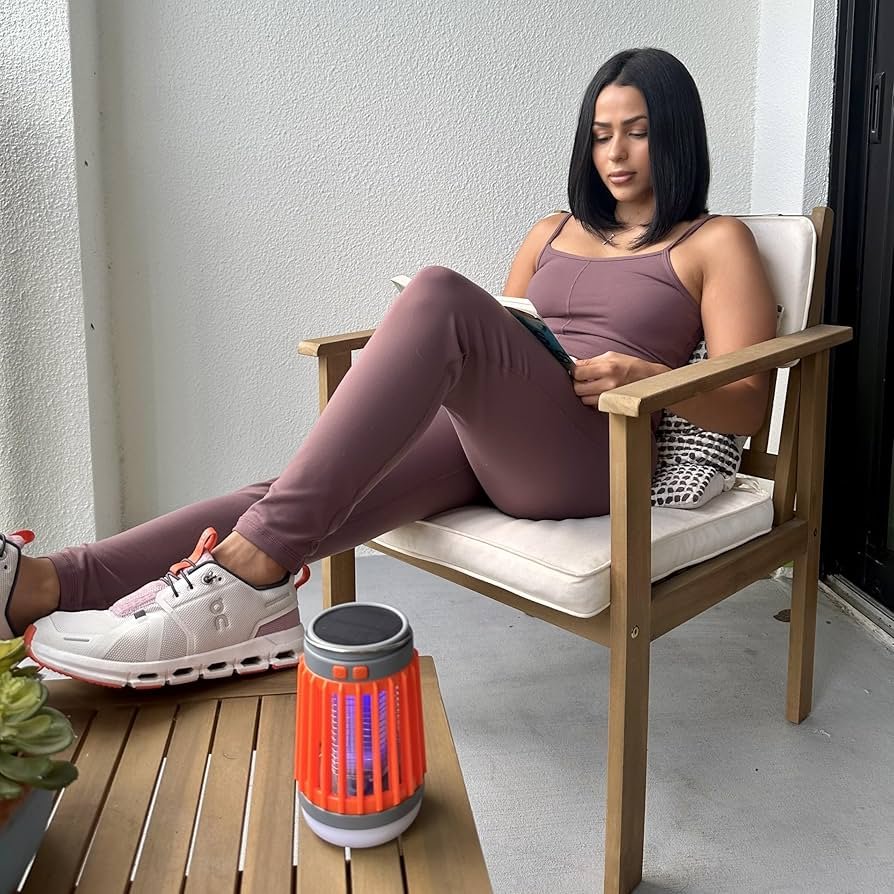
This flexibility allows users to bring the device wherever it’s needed, whether it’s inside the home, outdoors on a deck, or during a camping trip.
How to Use FuzeBug Correctly
FuzeBug is simple to operate, but using it correctly maximizes its effectiveness. Here are the steps:
- Charge the device fully before first use.
- Place the zapper in a dark or shaded area where insects are active. Bright areas may reduce UV attraction.
- Position the device away from competing light sources such as porch lights or street lamps.
- Turn on the UV light mode to begin attracting insects.
- Allow continuous operation for several hours, especially during peak insect activity times such as dusk and evening.
- Clean the device regularly by removing dead insects from the collection tray or grid.
By following these steps, users can ensure that FuzeBug works at its best capacity.
Indoor vs. Outdoor Performance
One of FuzeBug’s strongest selling points is its adaptability. It is designed for use in both indoor and outdoor environments.
- Indoors: Ideal for bedrooms, kitchens, living rooms, and offices. The UV light is quiet and unobtrusive, and the device produces minimal noise compared to ultrasonic repellents.
- Outdoors: Perfect for patios, gardens, and camping areas. Since mosquitoes and other flying pests are more common outdoors, the device can significantly reduce bites during nighttime activities.
This versatility is one of the key reasons people turn to FuzeBug over traditional bug zappers or chemical sprays.
Safety Features
A major concern with any electronic device is safety. FuzeBug is designed with several features to ensure safe use:
- Protective outer casing prevents accidental contact with the electric grid.
- Low voltage design ensures the current is lethal to insects but harmless to humans and pets.
- Non-toxic operation means no chemical fumes or residues.
As long as the device is used according to instructions, it poses no risk to users.
Advantages of FuzeBug Over Traditional Methods
When comparing FuzeBug to sprays, coils, and traps, several advantages stand out:
- No chemicals: Safer for children, pets, and the environment.
- Rechargeable: Saves money on batteries and power.
- Eco-friendly: Reduces reliance on disposable insect control methods.
- Silent operation: Unlike noisy bug zappers, FuzeBug works quietly.
- Portable: Can be carried anywhere without hassle.
These factors make it more appealing to health-conscious and eco-conscious consumers.
Limitations and Considerations
While FuzeBug is highly effective, it is important to acknowledge its limitations:
- It primarily targets flying insects attracted to UV light. Crawling pests like ants or cockroaches are not affected.
- Its coverage area is limited, so larger spaces may require multiple units.
- Placement is crucial — if used near bright competing lights, effectiveness can be reduced.
Understanding these limitations helps set realistic expectations for users.
Maintenance and Longevity
For FuzeBug to continue working effectively, regular maintenance is essential. Fortunately, upkeep is simple:
- Empty the collection tray or brush off dead insects regularly.
- Keep the UV light and grid clean for maximum efficiency.
- Recharge the battery fully before extended outdoor use.
- Store indoors when not in use to extend product life.
With proper care, the device can provide long-term pest control without the recurring cost of sprays or traps.
Real-World Scenarios: How FuzeBug Works in Daily Life
- Camping trips: Provides protection in remote areas without electricity.
- Backyard barbecues: Keeps mosquitoes away from guests.
- Bedroom use: Silent operation makes it suitable for nighttime use without disturbance.
- Travel: Compact size makes it easy to pack in luggage for vacations.
These real-world applications demonstrate its versatility across different settings.
Scientific Support for UV Zappers
Research supports the effectiveness of UV light-based insect traps. Studies published in entomology journals confirm that UV-emitting devices can significantly reduce flying insect populations in confined areas .
While no device can guarantee complete elimination of all pests, UV-based solutions like FuzeBug are proven to provide measurable relief from mosquitoes and other flying insects when used correctly.
Final Thoughts: Why FuzeBug Works
FuzeBug works by combining scientific insect attraction principles with a safe and efficient elimination mechanism. Its portability, rechargeable design, and eco-friendly operation make it an attractive alternative to traditional pest control methods.
For individuals seeking a reliable, chemical-free way to reduce mosquito bites and enjoy outdoor or indoor spaces comfortably, FuzeBug offers a practical solution backed by established science.
Click here to check availability!
Citations
- Cohnstaedt, L. W., Gillen, J. I., & Munstermann, L. E. (2008). Light-emitting diode technology improves insect trapping. Journal of the American Mosquito Control Association, 24(2), 331–334.
- Barghini, A., & de Medeiros, B. A. (2010). Artificial lighting as a vector attractant and cause of disease diffusion. Environmental Health Perspectives, 118(11), 1503–1506.
- Burkett-Cadena, N. D., & Mullen, G. R. (2017). Field evaluation of ultraviolet light-emitting diode (LED) traps for mosquito surveillance. Journal of the American Mosquito Control Association, 33(3), 193–199.
